Specialized Facility Cleaning Services
Get industry-specific cleaning for manufacturing, healthcare, education, offices, and distribution centers—built around safety, compliance, and operational continuity.
Serving Ohio, Michigan, Indiana, New Jersey and Pennsylvania Class A Offices with First Class Service
Specialized Facility Cleaning Services
Different facilities have fundamentally different cleaning needs. A manufacturing plant requires industrial-strength approaches that would be overkill in an office, while a hospital demands infection-control protocols that go far beyond what’s needed in a warehouse. Understanding these differences isn’t just about doing a good job—it’s about doing the right job for your specific environment, with the right expertise, equipment, facility cleaning standards, and compliance systems behind it.
Manufacturing Facilities & Automotive Factories
Why Manufacturing Is Different
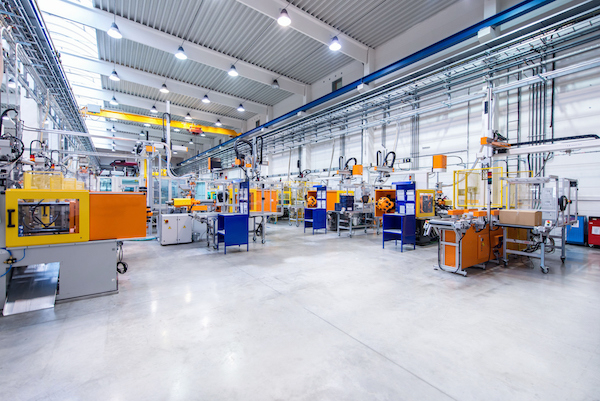
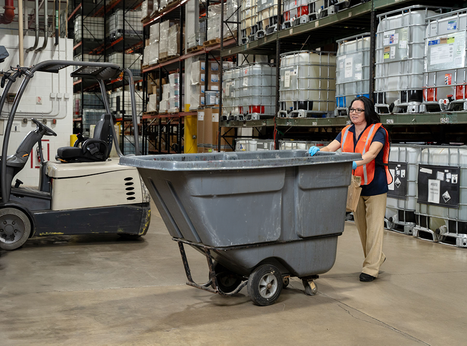
- Manufacturing and industrial environments present heavy-duty cleaning challenges that standard commercial approaches simply can’t handle. Surfaces accumulate grease, oil, and fine metal dust from production processes. Large machinery requires specialized cleaning per manufacturer guidelines—use the wrong method and you risk damaging expensive equipment or voiding warranties. Concrete floors constantly collect spills that create slip hazards, and production debris in aisles can halt operations or cause accidents.
Safety drives everything in these facilities. Crews follow lockout/tagout procedures when cleaning around energized equipment and wear appropriate PPE for chemical or metal dust exposure. Many manufacturing clients integrate cleaning into 5S programs, where “Shine” isn’t just about appearance—it’s about efficiency, uptime, and safety. Clean Team uses the 5S Cleaning Method as a framework: Sort (remove unnecessary items), Set in Order (organize tools and materials), Shine (perform precise cleaning), Standardize (establish consistent procedures), and Sustain (continuous auditing for long-term results). This structured method strengthens every facility cleaning program implemented in a manufacturing setting.
Industrial and manufacturing cleaning is a specialty of Clean Team. As a leading regional janitorial company serving plants, factories, and industrial buildings across multiple states, Clean Team builds customized cleaning programs based on building analysis, staffing levels, and how your facility runs across shifts, ensuring your facility cleaning plan aligns with operational needs, safety protocols, and production priorities.
The bottom line: manufacturing cleaning is industrial work, not basic janitorial work. It requires specialized knowledge, heavy-duty equipment, and a safety-first mindset tailored to high-demand facility cleaning environments.
Manufacturing Cleaning Services
Industrial cleaning services for manufacturing and automotive facilities are designed to keep production running safely and efficiently:
Floor Care – Frequent sweeping and machine scrubbing of concrete floors using ride-on equipment to remove oil, coolant, tire marks, and production debris from high-traffic aisles and work areas.
Equipment Degreasing – Using industrial solvents, steam, or manufacturer-approved methods to remove buildup from machinery without damaging sensitive components. Automotive facilities require specialized degreasing protocols to handle oil, grease, and hazardous fluid residue on production equipment, tools, and work surfaces.
High Dusting & SpaceVac Services – Clearing combustible dust from rafters, beams, pipes, and ventilation systems to prevent fire hazards and protect air quality. Clean Team’s SpaceVac-powered high-level vacuuming delivers precision cleaning up to 50 feet high—without ladders or downtime—using HEPA-filtered systems to support compliance and safer workspaces.
Spill Response & Cleanup – Quick containment and cleanup of coolant, paint, or chemical spills to maintain a safe work environment.
Industrial Waste Removal – Compliant handling and disposal of waste materials in line with environmental regulations and facility requirements.
Employee Area Sanitation – Restrooms, locker rooms, and break rooms cleaned to maintain hygiene standards, with optimized waste management, upgraded dispenser systems (high-capacity double-roll or jumbo roll tissue, high-capacity towel systems), and cost-effective foam soap dispensers that reduce restocking time and product waste.
Pre-Audit Deep Cleaning – Periodic intensive cleaning before inspections or during scheduled maintenance shutdowns, focusing on tough-to-reach areas, floor refinishing, and documented cleaning procedures.
Clean Team also designs customized day porter and night facility cleaning programs to match high-traffic areas, staffing levels, and production schedules.
How Manufacturing Facilities Are Quoted
Manufacturing cleaning is typically contracted on a monthly basis and calculated per square foot, but rates are significantly higher than standard office cleaning because of the specialized nature of the work and heavier soil loads.
A 20,000 sq ft plant, depending on scope, risk level, and compliance requirements. This pricing reflects:
Special equipment needs (ride-on scrubbers, scissor lifts, pressure washers, SpaceVac systems)
Off-hours work (third-shift premiums to avoid production downtime)
Higher PPE and safety training requirements
Compliance documentation, safety meetings, and audit support
Project-based work is often quoted hourly, trending higher when respirators or extensive PPE are required. The key difference from office cleaning is that you’re not just paying for time—you’re paying for industrial expertise, OSHA-compliant processes, and reduced operational risk through specialized facility cleaning operations.
Manufacturing Cleaning Day-to-Day
In a manufacturing environment, timing and coordination are everything:
Third-Shift and Off-Cycle Cleaning – Crews typically work third shift or between production cycles to avoid interrupting operations. A trained team arrives after your last production shift, removes debris, scrubs floors, and wipes down key surfaces.
Zone-Based Approach – Critical production areas follow detailed daily checklists. Less critical areas may be serviced weekly. High-traffic forklift paths and staging areas are cleared of debris daily.
Customized Day Porter Programs – Large factories often use day porters to respond immediately to spills or housekeeping issues that can halt operations. Day porters handle high-priority areas during active shifts, while the evening crew completes deep and detailed cleaning after hours.
Ongoing Supervision & Quality Audits – Supervisors conduct inspections and walk-throughs with facility management to ensure cleaning standards are maintained, particularly in tough-to-clean zones.
Manufacturing & Automotive Compliance Essentials
Compliance is where manufacturing cleaning diverges most from standard commercial environments. Clean Team integrates OSHA and industry standards into every facility cleaning strategy:
OSHA Standards
Chemical Handling & Safety
Shop-Floor Safety Protocols
Staff Training & Certification
Lockout/Tagout
GMP Protocols
Environmental Regulations
Industry Standards
Workers typically wear PPE such as steel-toe boots, high-visibility vests, and eye protection. Safety walk-throughs ensure the facility cleaning program aligns with corporate safety culture.
Medical Facilities: Hospitals & Surgical Centers
Why Healthcare Cleaning Is Different
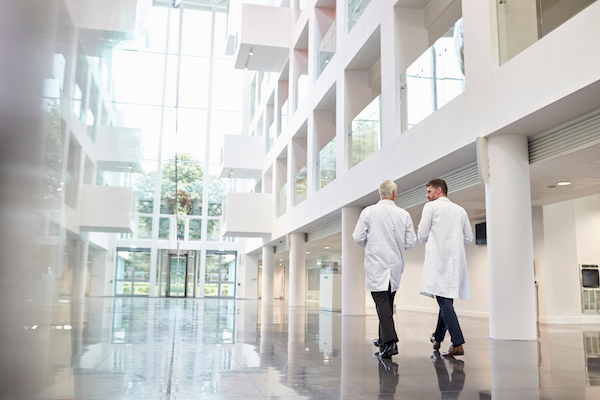
Healthcare cleaning demands the highest level of sanitation—there’s no comparison to other facility types. The goal is not just appearance; it’s preventing healthcare-associated infections (HAIs). Every surface has specific disinfection procedures guided by CDC, OSHA, AHE, and accrediting-body standards.
Cross-contamination prevention is built into everything. Crews use color-coded rags and follow strict segregation of tools by area type. Tools may be single-use or sanitized between rooms. HEPA-filter vacuums and microfiber systems help capture microbes rather than redistribute them.
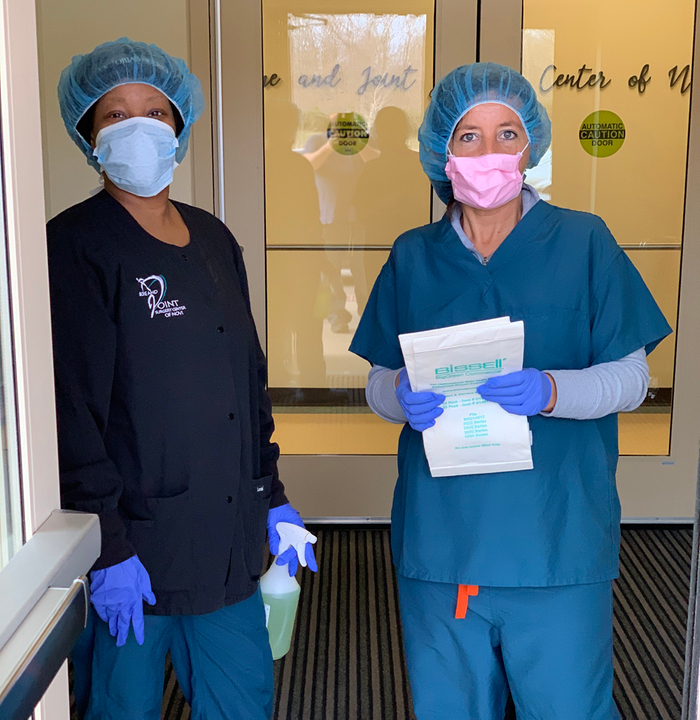
Biohazard handling follows OSHA Bloodborne Pathogen Standards. This is not work standard janitorial staff can perform safely without extensive training and documented facility cleaning protocols.
Clean Team has more than 25 years of experience in medical environments and operates as a strategic infection control partner.
Healthcare Industry-Specific Protocols
Medical facility cleaning is comprehensive and highly specialized, aligning with rigorous infection-control standards and audit expectations:
Terminal Cleaning – Complete disinfection of patient rooms after discharge using EPA-registered hospital-grade disinfectants. This methodical, multi-step process eliminates pathogens and prepares rooms for new patients, and can incorporate technologies such as UV-C devices or electrostatic disinfection for enhanced coverage.
High-Touch Surface Disinfection – Multiple daily disinfection cycles for high-touch surfaces: doorknobs, bed rails, light switches, nurse call buttons, tray tables, elevator buttons, and reception counters. Day porters systematically disinfect these touchpoints in public and clinical areas throughout operating hours.
Biohazard Handling & Cleanup – Strict adherence to OSHA Bloodborne Pathogens Standards for blood and bodily fluid spills. Personnel are trained in proper containment, cleanup procedures, and PPE requirements to protect both staff and occupants.
Patient Room Cleaning – Daily disinfection of surfaces, furniture, and bathrooms, plus trash removal and floor care, following defined 7–10 step procedures that minimize cross-contamination.
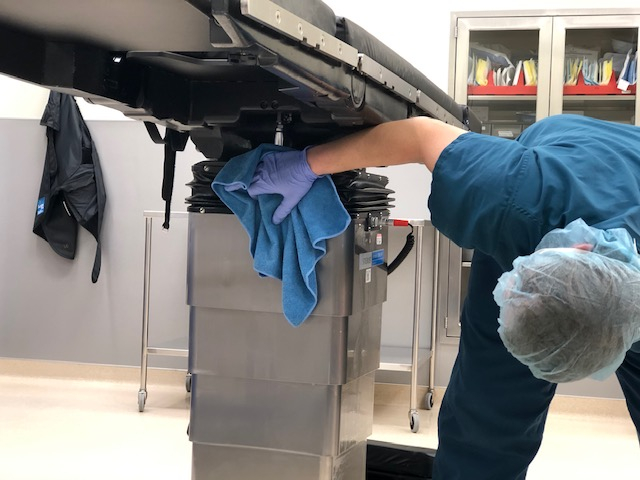
Operating Room Turnover – Between-case cleaning (often within 15–30 minutes) as well as end-of-day terminal cleaning. Includes waste removal, disinfecting all surfaces, equipment wipe-down, and setting up the room for the next procedure.
Waiting Areas & Lobbies – Keeping public spaces visibly pristine and regularly disinfected to maintain patient and visitor confidence.
Restroom Services – Multiple cleanings per shift due to high usage, using hospital-grade disinfectants and odor control strategies.
Floor Care – Frequent mopping of corridors plus periodic stripping, waxing, and burnishing of VCT floors is common in healthcare. Clean Team uses advanced auto scrubbers or high-quality flat mops to maintain both appearance and safety.
Infection Control Services – Outbreak response (e.g., C. diff, COVID-19), isolation room protocols, and terminal area disinfection. Electrostatic disinfection technology is used for thorough and even surface coverage during heightened-risk periods.
Medical Waste Management – Collection and staging of red bag waste and sharps containers per strict regulatory requirements, using color-coded systems and proper chain-of-custody documentation.
Specialized Area Cleaning – Laboratories, pharmacies, imaging rooms, dialysis centers, and procedure rooms—each with unique protocols and equipment sensitivities.
Clean Team’s healthcare programs are built around CDC environmental cleaning guidelines, Joint Commission infection control requirements, and OSHA hazard communication and PPE protocols.
How Medical Facilities Are Quoted
Healthcare cleaning costs significantly more than any other facility type, and the pricing structure reflects its intensive, compliance-driven nature.
Cost Differential – Medical cleaning typically runs per sq ft.
Multiple daily cleanings of many areas (not just nightly service)
Specialized training, certifications, and infection-control oversight
Hospital-grade disinfectants and specialized equipment
Extensive compliance documentation and audit trails
24/7 staffing expectations in acute care environments
Typical structures include:
Comprehensive Annual or Multi-Year Contracts – Covering staffing, supplies, and defined service levels across patient-care and non-clinical areas.
Per-Bed or Per-Department Pricing – Some contracts structure rates by bed count or department (e.g., $ per occupied hospital bed per day) to align with patient census and operational variability.
Fixed Staffing Models – Providing a defined number of EVS technicians, supervisors, and day porters 24/7 at an agreed monthly rate.
Ad-hoc or emergency medical cleaning (e.g., biohazard cleanup) often runs hourly, reflecting the need for PPE, specialized training, and documentation. Many agreements also include performance clauses tied to cleanliness scores, patient satisfaction, or infection-rate targets.
Healthcare Cleaning Day-to-Day
Healthcare cleaning is a 24/7 operation with clearly defined roles and workflows:
Round-the-Clock Staffing – EVS (Environmental Services) technicians work in coordinated shifts so that patient areas, surgical suites, emergency departments, and public spaces are always covered.
Day Shift – Focuses on high-traffic public areas, rapid response cleaning, and urgent room turnovers. Day porters continually disinfect high-touch points in lobbies, waiting rooms, and restrooms.
Evening/Night Shifts – Conduct thorough cleaning of patient rooms, surgical suites, diagnostic areas, and corridors when patient and visitor traffic is lower.
Detailed Protocols – Each cleaner follows step-by-step procedures (e.g., damp wipe all horizontal surfaces, empty trash, clean bathroom, mop floor), with a defined sequence designed to avoid re-contamination. Supervisors may use ATP testing or formal audit tools to verify cleanliness.
Consistency & Assignment – Many hospitals assign the same cleaner to the same area regularly, building familiarity and efficiency while supporting accountability and staff/patient relationships.
Surgical Turnover – Between cases, teams remove waste and linens, wipe all surfaces with EPA-registered disinfectants, restock supplies, and reset equipment—often in under 15–30 minutes.
Integrated Communication – EVS teams respond via pager, bed-tracking systems, or work order software when a room needs terminal cleaning, an isolation room is discharged, or a spill needs immediate response. The workflow is highly regimented but must remain flexible for emergencies like trauma cases or code responses.

Healthcare Regulatory & Compliance Standards
Healthcare cleaning has more regulatory requirements than any other facility type, and Clean Team’s programs are designed around those expectations:
OSHA Bloodborne Pathogens Standard – Proper handling and cleanup of blood and bodily fluids, required vaccinations or health screenings for staff, and full PPE protocols. All Clean Team staff receive comprehensive OSHA Bloodborne Pathogen training.
CDC Infection Control Guidelines – Evidence-based cleaning sequences, risk-based frequency, and dwell-time compliance tailored to different care areas (OR, isolation rooms, standard inpatient units, outpatient clinics).
EPA-Registered Disinfectants – Use of EPA-registered hospital-grade products with proven efficacy against MRSA, C. diff, norovirus, and other healthcare-associated pathogens. Disinfectant selection is tailored by pathogen risk and surface type to maximize sanitation without damaging materials.
Accrediting Body Standards – Alignment with The Joint Commission (JCAHO), AHE, and AORN standards for operating rooms and perioperative spaces. Cleaning protocols support facility accreditation, audit readiness, and survey success.
HIPAA Compliance – Respecting patient privacy and confidentiality during cleaning. Staff receive HIPAA Awareness Training, sign confidentiality agreements, and are trained to avoid handling patient documents, screens, or materials containing PHI (Protected Health Information).
Medical Waste Regulations – Color-coded segregation, proper labeling, and certified disposal services with full chain-of-custody documentation.
Certification Programs & Ongoing Education – Many team members hold Infection Control Certification or similar credentials and complete ongoing education to stay current with regulatory and microbiological developments.
Quality Monitoring Systems – Clean Team uses digital platforms such as CleanTelligent to document work orders, capture photographic evidence of completed tasks, and provide transparent reporting to facility managers. This supports internal reporting, audit preparation, and continuous improvement.
Documentation is extensive: SDS sheets, cleaning logs, inspection records, and verification that rooms were cleaned at specific times. Clean Team’s 25+ years of medical cleaning experience includes hospitals, surgical centers, dialysis centers, clinical laboratories, dental offices, ambulatory care providers, and more.
Educational Institutions: Schools, Colleges & Universities
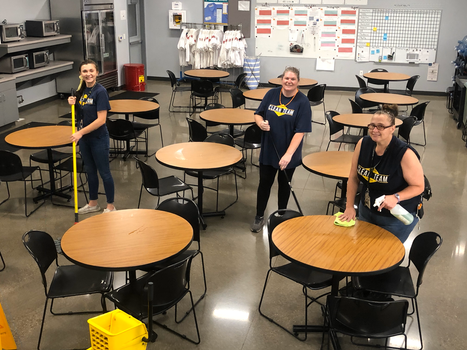
Why Schools Are Different
Educational facilities are diverse—classrooms, cafeterias, science labs, gymnasiums—each with different cleaning needs. What truly sets schools apart is the focus on child safety, indoor air quality, and the academic calendar.
Young children are especially susceptible to germs, so disinfection of high-touch surfaces (desks, handrails, playground equipment) is crucial, especially during flu season. At the same time, strong chemical odors or harsh products are discouraged around students—many K–12 districts mandate Green Seal or Safer Choice-certified products to protect indoor air quality.
Background checks are required for all cleaning staff in K–12 settings since workers are on-site around minors. This isn’t optional—it’s a foundational requirement.
The academic schedule drives everything. Classrooms see routine cleaning nightly, but deep cleaning (floor stripping, carpet shampooing, full desk disinfection) is reserved for summer or winter breaks when buildings are empty. Universities add complexity with research labs, medical or engineering training spaces, and dormitories requiring turnover cleaning.
Educational Cleaning Protocols
School cleaning services are built around daily maintenance and scheduled deep-cleaning:
Daily Classroom Sanitation – Wiping and disinfecting desks and tables, cleaning whiteboards and chalkboards, emptying trash and pencil sharpeners, vacuuming carpets or mopping hard floors, disinfecting high-touch points (door handles, light switches, shared technology).
Restroom Maintenance – Daily cleaning with odor control and multiple checks per day in busy schools. Rotation cycles ensure restrooms are inspected and serviced throughout the day to maintain hygiene during peak usage.
Gymnasium & Locker Room Deep Cleans – Disinfecting lockers, benches, gym mats, and wrestling mats; addressing moisture and odor with specialized cleaning agents. Floor care includes daily dust mopping and periodic deep scrubbing.
Cafeteria Cleaning – Post-meal sanitizing of tables using food-safe disinfectants, thorough floor mopping to remove spills, and cleaning of serving lines and food prep zones to meet health department expectations.
Library & Lab Cleaning – Careful dusting of shelves and equipment, and floor cleaning that avoids disturbing materials or sensitive instruments.
Dormitory Services – Deep cleaning of communal bathrooms, lounges, and dorm rooms during semester breaks.
Floor Maintenance – Periodic stripping and waxing of VCT flooring is common in hallways and classrooms.
Window Cleaning – Keeping classrooms bright and inviting.
Event Support – Setup and cleanup for games, assemblies, performances, and special events.
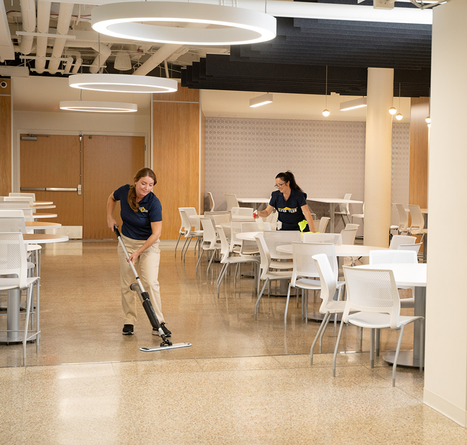
How Schools Are Quoted
Educational cleaning contracts typically move through public RFP processes, which creates a different pricing and documentation dynamic than private sector facilities.
Typical structures include:
Fixed Monthly or Annual Contracts – Based on total square footage, number of buildings, and required staffing. Districts often use metrics such as square feet per custodian (e.g., one custodian per 20,000 sq ft) to budget labor.
Separate Line Items for Projects – Summer deep cleaning, floor refinishing, and carpet shampooing are often structured as one-time project fees.
Prevailing Wage Requirements – Many districts require prevailing wage or union-scale compensation, which can raise costs compared to non-union private contracts.
Performance Bonds & Penalties – Public accountability often includes performance bonds or penalties for failing to meet cleanliness standards.
Higher education contracts may cover entire campuses under multi-year agreements, with some tasks quoted per unit (e.g., $ per dorm room for summer turnover).
School Cleaning Day-to-Day
During the school year, cleaning workflows are built around student and staff schedules:
During School Hours – Day custodians handle immediate needs: sickness cleanups, hallway spills, restroom restocking, and quick touch-ups. They are the on-site support team.
After School – Once students and teachers leave, the evening cleaning crew moves through systematically:
Collect trash and recycling from classrooms, offices, and common areas
Dust and wipe surfaces
Vacuum carpets or mop hard floors
Team Cleaning Approach – In larger schools, tasks may be divided by function (one person does trash, another does floors, another handles restrooms) or by zone (each cleaner is responsible for a specific wing or floor).
Scheduled Periodic Tasks – Weekly or monthly schedules may designate nights for high dusting, detailed restroom scrubbing, or hallway floor buffing. Heavier work, such as stripping and waxing floors, is reserved for long weekends or extended breaks.
Summer Operations – Crews scale up to move furniture, perform wall washing, refinish floors, deep-clean restrooms, and reset buildings before the new school year.
Security protocols are strict: cleaners ensure doors are locked and alarms set after finishing each area. Having a consistent crew builds familiarity with each school’s unique routines and special requirements.
Educational Regulatory & Safety Requirements
Schools have unique compliance requirements beyond standard commercial cleaning:
OSHA Guidelines – Worker safety for handling cleaning chemicals, ladders, and powered equipment.
Child-Safe & Green Products – Many states and districts mandate environmentally friendly, low-toxicity cleaning products (Green Seal, Safer Choice, EPA Design for Environment) to protect children and staff from harsh chemical exposure.
FERPA-Aligned Access Rules – Cleaning staff follow protocols that respect student privacy. Personnel are trained to avoid handling or viewing student records, grade books, or confidential materials during cleaning.
Background-Checked Staff – Comprehensive background checks and, often, drug testing per district policies—non-negotiable for K–12 settings.
LEED Requirements – For schools seeking LEED certification, green cleaning practices and documentation contribute to points.
Proper Ventilation – Work is scheduled to avoid exposing students to fumes. When chemicals are used, there is time allowed for adequate ventilation before classes resume.
Outbreak Cleaning – COVID-19 or flu season protocols may include electrostatic sprayers, increased high-touch disinfection, and enhanced frequency based on CDC guidance.
Lab Safety Standards – University labs and specialized teaching spaces require particular handling of chemical residues and equipment.
Regular safety meetings reinforce ladder safety, bloodborne pathogen protocols for bodily fluid cleanups, and other best practices—supporting both a clean and safe learning environment.
Corporate Buildings & Headquarters
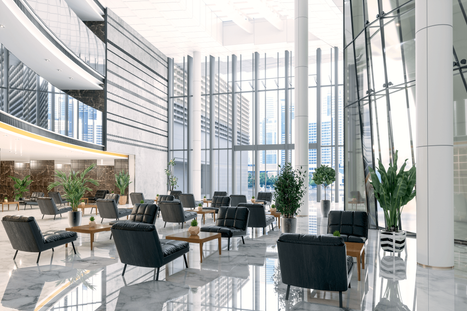
Why Corporate Buildings Are Different
Large corporate facilities—multi-story office towers or sprawling headquarters campuses—prioritize both appearance and minimal disruption. The emphasis is on maintaining a polished, welcoming environment that reflects the company’s brand image.
Image and experience matter. Lobbies, conference rooms, and executive suites require near showroom-level cleanliness because they’re often client-facing. High-end finishes like marble floors, wood paneling, and glass partitions demand gentle, material-safe cleaning methods and specialized products.
Security and confidentiality are also critical. Cleaning crews typically have keycard access and work around sensitive areas containing confidential documents and proprietary information. Many organizations require cleaning staff to be bonded, insured, and background-checked, especially for law, finance, and executive areas.
Green building standards are common. Many corporate facilities are LEED-certified and maintain formal green cleaning policies that dictate chemical selection, equipment standards, and documentation for indoor air quality and sustainability.
Some corporate campuses include on-site fitness centers, cafeterias, and data centers—each adding unique cleaning requirements (gym equipment sanitation, food service cleaning, anti-static protocols for IT spaces).
Corporate Cleaning Protocols
Corporate cleaning programs are designed to keep professional environments consistently clean, comfortable, and secure:
General Office Cleaning – Emptying trash and recycling, dusting desks and surfaces, wiping office equipment, vacuuming carpets or mopping hard floors, sanitizing restrooms and break rooms.
Conference Room Turnover – Wiping and disinfecting tables between meetings, sanitizing shared devices and phones, arranging chairs, cleaning whiteboards, and ensuring rooms are ready for back-to-back use.
Technology & Equipment-Safe Cleaning – Computer monitors, keyboards, printers, and other electronics are cleaned using anti-static wipes and appropriate solutions to prevent damage while maintaining hygiene.
Reception & Lobby Maintenance – Keeping reception desks, seating, glass doors, and flooring spotless; often includes daytime touch-ups to maintain first impressions.
Day Porter Services – A uniformed cleaner is present during business hours to manage high-traffic areas, assist with restrooms around peak times, and respond to spills or urgent issues.
Floor Care – Regular vacuuming and periodic deep cleaning of carpets (shampoo, hot-water extraction), plus machine buffing or burnishing of hard floors.
Kitchenette/Cafeteria Cleaning – Sanitizing countertops, sinks, tables, microwaves, fridges (on a scheduled basis), and nightly floor cleaning.
Data Center/Lab Cleaning – HEPA-filter vacuums and anti-static methods for sensitive electronics and lab environments.
Confidential Waste Management – Secure handling of shredding bins and recycling to support legal and data protection policies.
Specialty Disinfection – Electrostatic sprayers for shared areas during peak cold and flu seasons or in response to outbreaks.
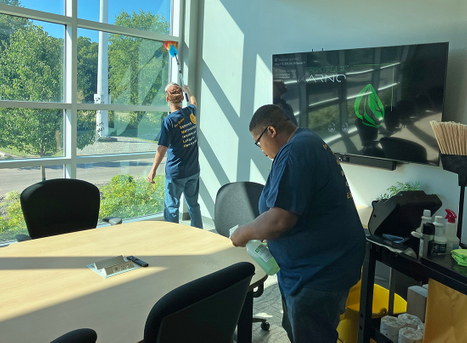
How Corporate Offices Are Quoted
Corporate office cleaning is typically billed monthly, with fixed fees calculated from a price per square foot, scope, and frequency.
Typical structure:
A walkthrough to assess square footage, density, special areas (e.g., trading floors, labs), and cleaning frequencies
A detailed proposal listing tasks and schedules (nightly, weekly, monthly, quarterly) at a fixed monthly price
Periodic work, such as quarterly carpet cleaning or semiannual window washing, may be bundled in or listed as separate line items
Unlike manufacturing (with heavy soil and high safety risk) or healthcare (with intensive infection-control standards), office cleaning is generally lower-intensity with predictable patterns. This keeps costs moderate and the pricing straightforward.
Corporate Cleaning Day-to-Day
Most cleaning takes place outside business hours to reduce disruption:
Evening/Night Cleaning – Crews usually arrive after business hours (6–7 p.m.) and work through the evening, starting with lobbies and common areas before moving floor by floor.
Systematic Workflow – One group may run scrubbers in lobbies and corridors while others empty desk-side trash and recycling. Then they dust, wipe surfaces, and complete restrooms and kitchenettes.
Security Coordination – Cleaners use access badges, follow building security protocols, and may need escorts in certain high-security areas. As they finish each section, they lock doors, turn off lights, and re-arm alarms as appropriate.
Day Porter Activities – Where provided, day porters maintain lobbies, restrooms, and common areas during the day, restock supplies, and respond to requests logged via help desk systems or building apps.
Quality Assurance – Supervisors perform periodic inspections and respond to tenant feedback, ensuring that service standards are consistently met across multiple tenants and floors.
Corporate Regulatory & Compliance Standards
While regulatory requirements are lighter than in healthcare or heavy industry, corporate cleaning still involves important compliance elements:
OSHA Regulations – Safe ladder use, electrical safety, hazard communication for chemicals, and proper PPE.
LEED/Green Building Compliance – Use of green-certified cleaning products, HEPA vacuums, and documentation that supports building sustainability goals.
HIPAA-Sensitive Areas – For healthcare offices, insurers, or any group handling PHI, staff receive training on privacy protocols and avoid contact with patient records or screens.
Secure Document Zones – In law firms, financial institutions, and R&D environments, cleaners follow strict instructions for handling (or not handling) documents and confidential waste.
Fire & Life Safety – Ensuring exits remain clear, extinguishers unobstructed, and systems unimpeded.
Emergency Preparedness – Cleaners understand evacuation routes and procedures should alarms sound during night shifts.
Fulfillment & Distribution Centers (Warehouses)
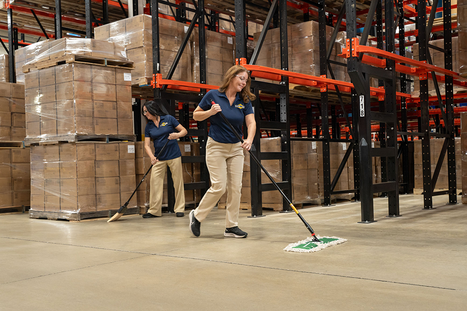
Why Warehouses Are Different
Fulfillment centers—large warehouses, distribution centers, and e-commerce hubs—are vast, high-traffic facilities, often operating 24/7. This creates cleaning challenges that don’t exist at typical offices or smaller buildings.
Scale is the first challenge. Facilities can exceed 1 million square feet. Traditional cleaning methods that work in a 50,000 sq ft office don’t scale effectively. Industrial equipment such as ride-on scrubbers, sweepers, and sometimes autonomous cleaning robots are required to maintain large floor areas efficiently.
Constant movement of goods and equipment means housekeeping must be meticulous to prevent debris from causing accidents or blocking workflows. Dust accumulation is significant due to high ceilings, packaging materials, conveyor systems, and vehicle traffic. Left unchecked, dust can become combustible or interfere with sensors and machinery.
Safety is paramount. Cleaners wear high-visibility vests and follow warehouse traffic rules—yielding to forklifts, using horns at blind corners, and avoiding congested pick zones. Unlike an office, cleaning teams often work alongside active operations instead of in empty spaces after hours.
Spill management is critical. If a pallet leaks or falls, rapid containment and cleanup prevent slip hazards, product damage, or contamination. Some facilities include cold storage requiring specialized procedures and cold-compatible cleaning solutions.
Specialized warehouses handling food, pharmaceuticals, or electronics must meet FDA, GMP, or industry-specific standards—meaning cleaning programs need to support product safety, traceability, and audit readiness.
Warehouse Cleaning Services
Distribution and fulfillment center cleaning focuses on safety, compliance, and operational continuity:
Floor Cleaning – Frequent mechanical sweeping and auto-scrubbing to remove dust, dirt, tire marks, and spills from high-traffic aisles, docks, and staging areas.
Machine & Equipment Cleaning – Degreasing conveyor systems, cleaning picking robots, and wiping down forklifts to minimize dust buildup and improve reliability.
High Dusting – Scheduled cleaning of rafters, ventilation ducts, sprinkler lines, and lighting to prevent dust blankets and potential fire hazards.
Dock Area Cleaning – Keeping loading docks clear of broken pallets, shrink wrap, straps, and outdoor dirt tracked in by trucks.
Waste Management – Daily trash removal and cardboard recycling, including managing compactors, balers, and collection points.
Employee Area Cleaning – Break rooms, locker rooms, and restrooms cleaned for hygiene and odor control, with regular restocking of supplies.
Spill Response – On-call service for quick containment and cleanup of leaks, broken product, or chemical spills using appropriate spill kits.
Safety Inspections – Nightly or routine checklists to identify and remove trip hazards such as loose plastic, banding, or debris in walkways.
Specialized Area Cleaning – Cold storage, ESD-sensitive zones for electronics, and climate-controlled areas with specific cleaning requirements.
How Warehouses Are Quoted
Warehouse contracts are typically large-scale, long-term, and highly customized:
Flat Monthly Rates – Often based on square footage at relatively low per sq ft rates), since much of the space is open. However, the total contract value is substantial due to size.
Cost Drivers – Cold storage requirements, GMP or food safety compliance, 24/7 staffing, specialized equipment (ride-on scrubbers, scissor lifts), and hazardous material handling all increase costs.
Hybrid Models – Some facilities are quoted based on full-time equivalents (FTEs) and hourly rates for on-site teams, plus separate equipment rental or amortization.
The difference from office pricing is that while the per-square-foot rate may appear lower, the contract size, equipment investment, and risk profile are much higher.
Warehouse Cleaning Day-to-Day
Warehouse cleaning is tightly integrated into operational flows:
Scheduling Around Operations – Many fulfillment centers run multiple shifts, so cleaning is sometimes continuous rather than strictly “after hours.”
Night Shift Focus – When order picking slows, crews can run auto-scrubbers down aisles and use lifts for high cleaning with minimal interference.
Zone-Based Rotation – The building is divided into zones, with thorough cleaning of certain areas on designated nights while high-priority zones receive daily attention.
Daytime Porters – A smaller team circulates during the day to pick up trash, keep entryways dry in bad weather, and respond to spills or urgent housekeeping issues.
Safety Protocols – Cleaners attend safety briefings, wear PPE like steel-toe shoes and reflective vests, and follow facility safety policies just like warehouse employees.
Equipment Utilization – Sweepers with vacuum systems trap dust instead of redistributing it, supporting air quality. In freezers or coolers, cleaning is done in short intervals with specialized gear and procedures.
Team coordination is essential; supervisors use radios and checklists to ensure coverage and maintain communication with warehouse management about busy zones, restricted areas, and changing workflows.
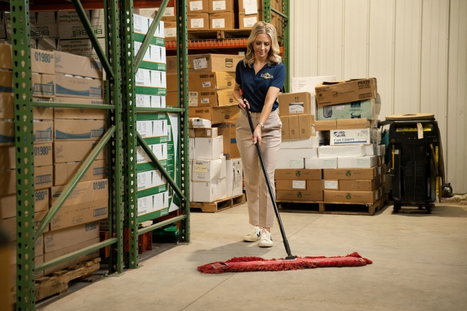
Warehouse Compliance & Safety
Compliance in fulfillment and distribution centers focuses on occupational safety and, for certain products, regulatory cleanliness standards:
OSHA Regulations – Powered industrial truck awareness, forklift right-of-way rules, fall protection, and floor marking compliance.
Lockout/Tagout – Cleaning powered equipment only when properly shut down and locked out by operations or maintenance.
Chemical Safety – Using appropriate cleaning chemistries for food, pharma, or electronics, as well as maintaining SDS and proper storage.
Food Safety Compliance – FSMA or AIB requirements may mandate documented cleaning frequencies and methods to prevent contamination.
Pharmaceutical Compliance – GMP guidelines require specific validation, record-keeping, and often more frequent cleaning of certain zones.
Environmental Compliance – Proper disposal of dirty water from scrubbers and cleaning processes, avoiding unauthorized dumping.
Fire Code Compliance – Keeping dust, debris, and storage heights within acceptable parameters; high dusting supports NFPA guidelines.
Background Checks & Security – Required for facilities storing sensitive or high-value goods.
Equipment Certification – Cleaners trained and certified to operate ride-on scrubbers, aerial lifts, and other specialized equipment.
Weekly safety meetings, incident reporting, and joint walk-throughs with facility leaders help maintain a safe and compliant working environment.
Class A Office Spaces
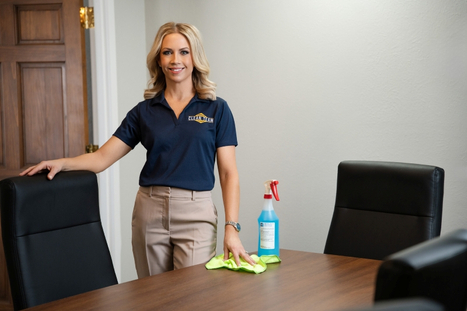
Why Class A Is Different from Standard Offices
“Class A” offices are premium commercial spaces—landmark buildings or properties in high-end business districts. While they are still office environments, the expectations are dramatically higher than in standard office buildings.
Image is everything. Tenants and visitors expect pristine conditions at all times: gleaming lobby floors, fingerprint-free glass, and flawless carpets. These spaces aren’t just clean—they’re meant to be showcase-level. Class A lobbies may feature marble or terrazzo that requires regular polishing rather than basic mopping.
Finishes and fixtures are upscale (marble, granite, high-gloss wood, designer lighting). These materials demand careful cleaning methods and product selection. For example, polished marble requires pH-neutral products to avoid etching, and high-gloss surfaces must be cleaned without streaks.
Green building certifications are common in Class A buildings. Many pursue LEED O+M and WELL Building standards, requiring formal green cleaning policies and careful documentation around chemicals, equipment, and IAQ-related procedures.
Security and confidentiality are elevated as well. Tenants include law firms, financial institutions, and corporate headquarters; cleaning crews sign confidentiality agreements and are carefully vetted.
Tenant satisfaction and retention drive everything. Building management frequently uses cleaning quality as a key performance metric, with formal inspections, tenant surveys, and rapid response expectations that go beyond a standard office contract.
Class A Cleaning Services
Premium office cleaning goes beyond standard janitorial tasks and focuses on experience, consistency, and detail:
Comprehensive Nightly Service – Trash, recycling, and compost (where applicable); detailed dusting; vacuuming; floor mopping; and touchpoint disinfection tailored to high-traffic common areas and tenant suites.
Restroom Attendant Services – Multiple daily checks for restocking and spot cleaning, ensuring restrooms meet Class A expectations throughout the day—not just after hours.
Pantry & Kitchen Cleaning – Thorough cleaning of coffee bars, pantries, and catering areas, including appliance wipe-downs and counter disinfection.
Premium Floor Care – Regular polishing and burnishing of marble, terrazzo, and high-end hard surfaces; scheduled carpet shampooing and spot treatment programs.
Glass & Window Cleaning – Interior glass partitions and doors cleaned on a daily or weekly schedule; exterior window washing coordinated quarterly or semiannually.
Day Porter Services – Attentive lobby, conference center, and restroom maintenance during business hours; support for special events, meetings, or VIP visits.
Specialty Cleaning – Plant care coordination, light fixture cleaning, and other high-touch detail work that reinforces a luxury environment.
Health-Focused Disinfection – Periodic electrostatic spraying or other enhanced disinfection services for common areas, particularly during illness spikes.
How Class A Offices Are Quoted
Class A buildings typically operate with larger budgets but also higher expectations and more frequent service levels.
Typical structure:
Full-Service Monthly Contracts – Including both night cleaning staff and day porters, often 5–7 days per week.
Detail-Focused Scope – Contracts specify strict standards for lobbies, elevators, restrooms, and tenant spaces, sometimes with service level commitments or KPI-based bonuses/penalties.
Bundled Specialty Services – Floor care, glass cleaning, and event support may be bundled into base pricing or structured as scheduled enhancements.
The key difference from standard offices is that you’re not just buying cleaning— you’re buying a premium experience that supports brand reputation, tenant satisfaction, and building market position.